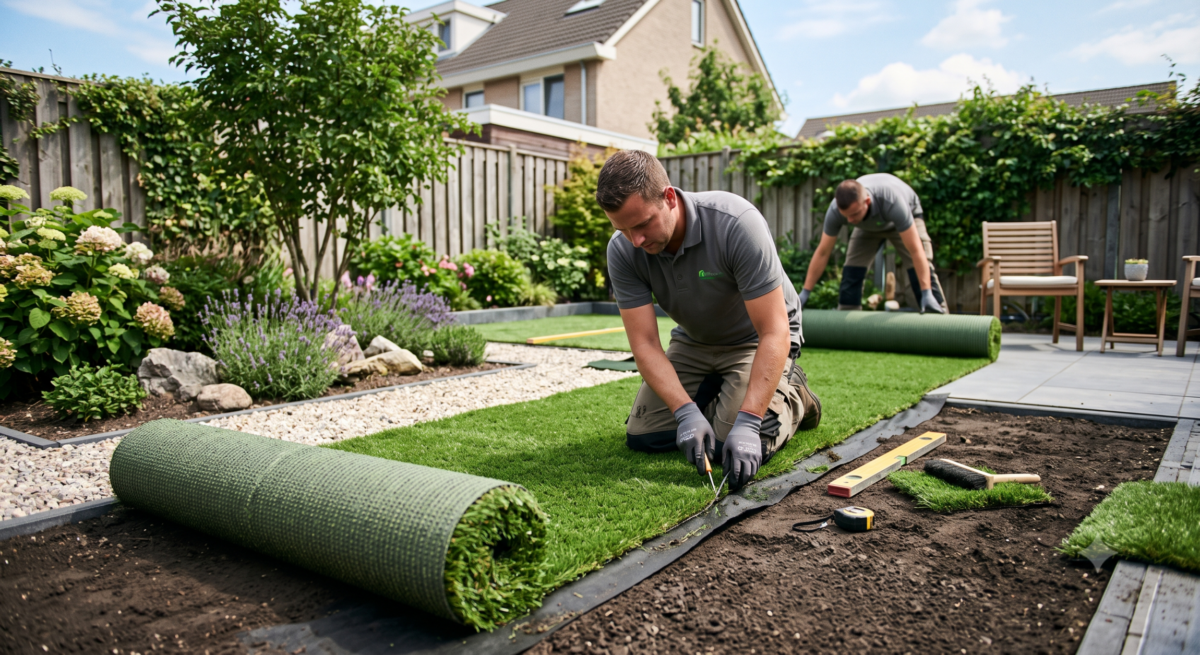


When designing a beautiful backyard oasis, homeowners often spend months picking the perfect water shape, filtration systems, and custom lighting features. However, the specific surface material you choose to install as a turf around pool deck dictates how your family actually experiences that outdoor space every single day. The classic surround choice has historically been a traditional poured concrete deck. Yet, modern architectural trends are leaning heavily toward installing premium turf around pool areas to create vibrant, green, and sustainable alternatives.
Choosing the right material isn’t just about immediate visual appeal; it impacts long-term safety, ongoing maintenance costs, thermal comfort, and how your family enjoys the summer months. Walking barefoot on a burning hot surface or slipping on wet stones can quickly ruin a relaxing afternoon. In this comprehensive breakdown, we will compare the two heaviest hitters in modern residential landscaping to help you make the absolute best decision for your home project.
Why is turf around pool areas becoming so popular?
For decades, poured concrete was the default choice because it was familiar and readily available. However, a massive shift has occurred in premium landscaping design, with modern premium artificial grass rapidly replacing hard, grey concrete surfaces.
Seamless Aesthetic and Resort-Style Vibes
A major drawback of large concrete slabs is that they can look sterile, harsh, and industrial, especially during bright summer days. In contrast, installing high-quality turf around pool spaces introduces an instant splash of lush, vibrant green that creates a high-end resort aesthetic. The rich color contrast between deep blue water and natural-looking emerald grass makes the entire backyard look expansive, fresh, and welcoming throughout the entire year.
Superior Slip Resistance and Child Safety
Safety is the most critical element of any aquatic space design. Wet concrete becomes notoriously slick, turning a fun family afternoon into a zone full of potential slip-and-fall hazards. Laying a dedicated turf around pool decks offers excellent traction, even when the surface is completely drenched. The soft, cushioned texture acts as a natural shock-absorber, making it a much safer surface for children running around and playing by the water edge.
What are the main pros and cons of concrete decks?
To fair-mindedly evaluate your outdoor options, it is essential to understand why concrete has stayed around for so long, alongside the underlying issues that drive homeowners to seek better alternatives like a turf around pool setup.
The Good: Durability and Initial Setup
Concrete is undeniably tough. Once poured and properly cured, it creates a solid, heavy-duty foundation that can support heavy patio furniture, massive planters, and outdoor kitchens without shifting. Structurally, it lasts for a long time and handles extreme weather changes relatively well if installed with proper expansion joints.
The Bad: Cracking, Staining, and Thermal Heat
The most prominent complaint about concrete is its thermal properties. On a hot summer afternoon, concrete absorbs solar radiation rapidly, reaching temperatures that can literally blister bare feet—a problem you don’t face with a premium turf around pool installation. Furthermore, over time, ground shifting and moisture changes inevitably cause concrete to crack. Fixing these cracks beautifully is nearly impossible, often leaving your premium backyard looking patchy. Additionally, pool chemicals, spilled drinks, and leaf debris can easily leave permanent, ugly stains on porous concrete surfaces.
Is artificial turf around pool decks actually durable?
A common concern for homeowners considering synthetic grass is whether it can withstand the harsh environment of a swimming area, including constant water exposure, heavy foot traffic, and powerful sanitizing chemicals.
Modern, premium-grade synthetic turf is specifically engineered with advanced materials designed to endure tough conditions. High-end variations feature UV-stabilized fibers that refuse to fade or degrade under direct, intense sunlight. Furthermore, these fibers are completely immune to the chlorine, salt, and acids typically found in treated pool water. Unlike natural grass, which dies off and turns into a muddy mess when exposed to splashed chemical water, a synthetic turf around pool perimeter retains its pristine look and shape regardless of how much water is splashed onto it.
An equally critical aspect is the drainage capability. Premium turf around pool systems are built with highly porous backings that allow water to drain away vertically at incredible speeds. This rapid drainage prevents puddles from forming, ensures the perimeter dries quickly, and eliminates the risk of standing water causing mold or slippery bio-films around your walking paths.
Expert Landscaping Tip:
Achieving that flawless, resort-style finish requires pairing your high-end design with premium, heavy-duty gear that can withstand the elements. To explore top-tier, long-lasting surface solutions and premium outdoor athletic equipment, browse the extensive collection available directly at the Prime Sport store to elevate your home project.
Head-to-Head Comparison: Turf vs. Concrete
To make the ultimate decision easier for your specific layout, let us look at how these two popular materials stack up across the most important operational categories:
| Feature | Artificial Turf | Poured Concrete Deck |
| Surface Temperature | Stays cooler; comfortable for bare feet | Absorbs extreme heat; burns skin |
| Safety Factor | Soft, cushioned, and highly slip-resistant | Slick when wet; hard falling surface |
| Maintenance Need | Occasional rinsing and brushing | Periodic sealing, pressure washing, crack repairs |
| Lifespan Look | Stays vibrant green all year long | Tends to stain, fade, and crack over time |
| Drainage Speed | Excellent vertical drainage; no puddles | Requires sloped drainage; causes pooling |
How do you maintain turf around pool areas?
One of the most liberating aspects of moving away from traditional concrete or natural grass is the radically simplified maintenance regimen. Concrete demands periodic resealing, chemical pressure washing, and tedious crack-filling to prevent weeds from bursting through. Natural grass demands mowing, fertilizing, and edge-trimming—which risks throwing grass clippings directly into your clean pool water.
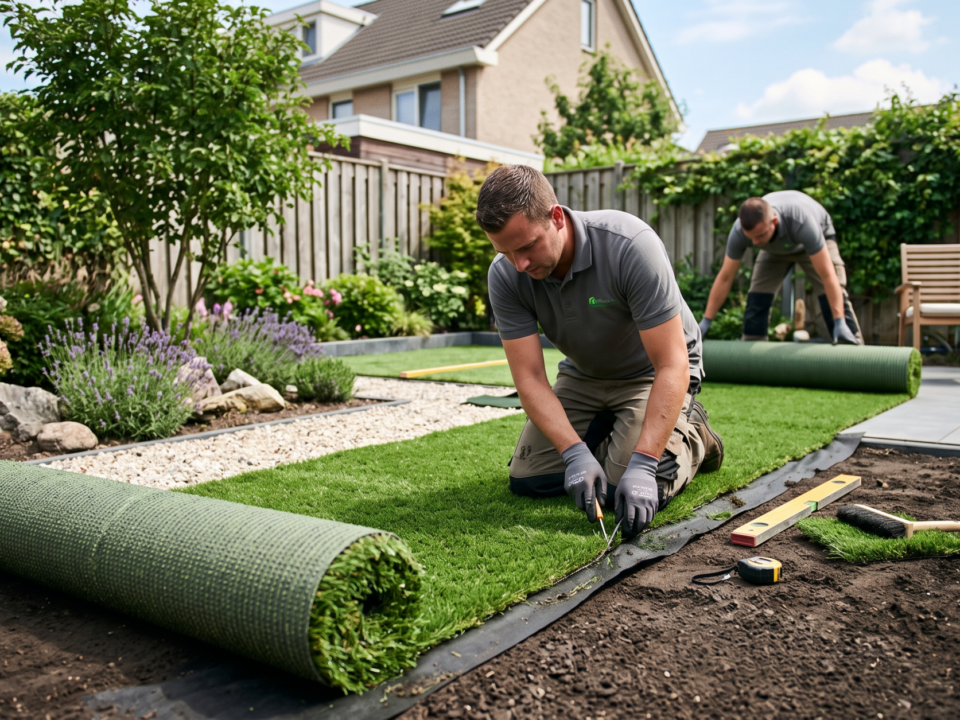
With a synthetic turf around pool deck, maintenance takes mere minutes. Debris like leaves or twigs can be quickly cleared away with a simple leaf blower. If pool chemicals or dirt accumulate on the fibers, a quick spray with a standard garden hose rinses everything clean away through the porous backing. Because there is no dirt or soil involved, a quality turf around pool solution completely eliminates the annoying issue of kids dragging muddy footprints into the house or tracking loose dirt straight into your pristine water filtration system.
Summary: Which option is best for your backyard?
Ultimately, while concrete remains a highly functional, utilitarian option for basic structural foundations, it falls significantly short when compared to the comfort, safety, and luxurious visual appeal offered by modern artificial grass. Investing in a soft, slip-resistant turf around pool border turns your swimming area into a true sanctuary that remains visually striking across every single season.
To truly bring your luxury backyard transformation to life, you need access to durable, elite-grade outdoor and athletic supplies. We warmly invite you to visit our online storefront at Prime Sport to discover a premium selection of materials, sports gear, and lifestyle products engineered to take your home recreation spaces to the next level. Explore our exclusive catalog today and find the perfect additions to complement your dream outdoor oasis!