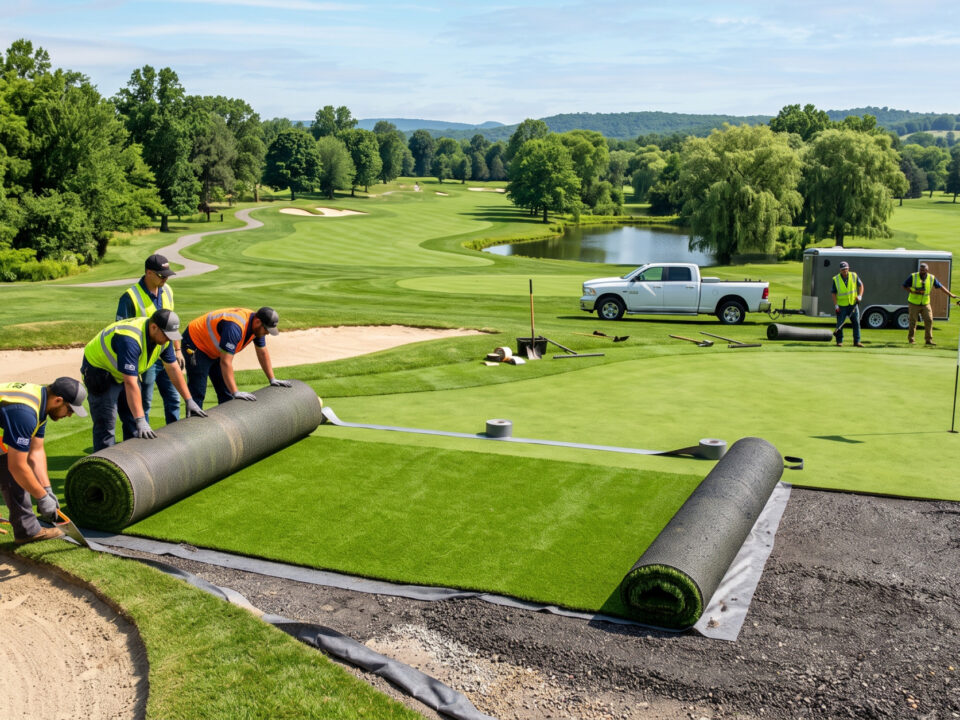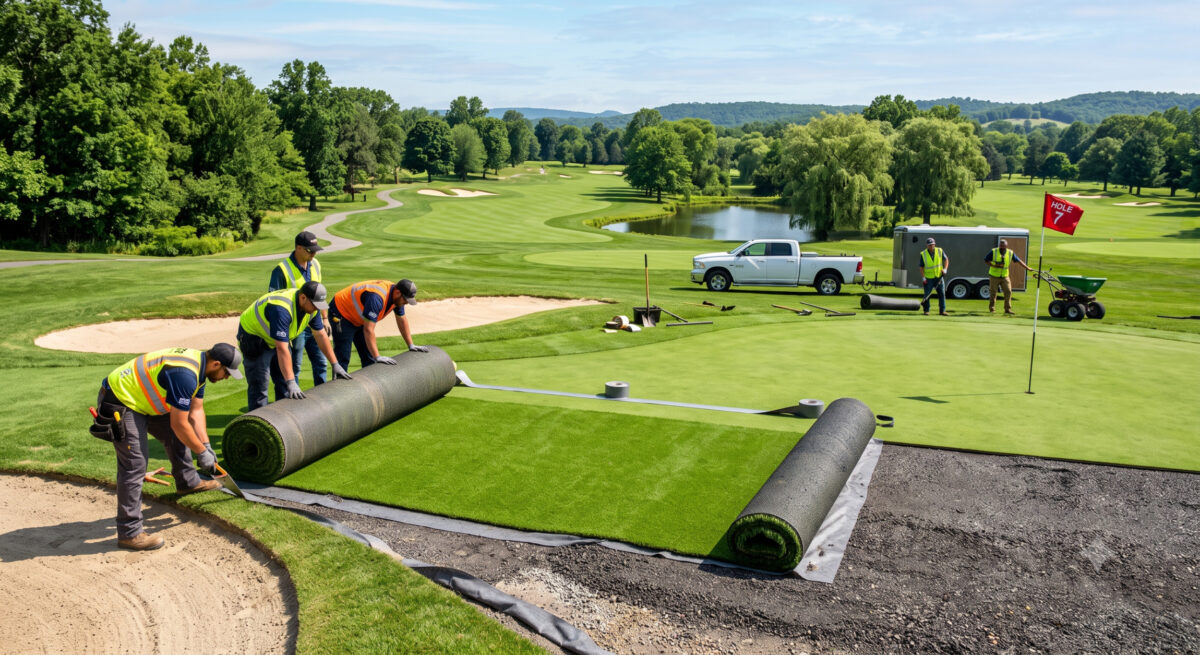


nvesting in modern sports infrastructure or residential landscaping has shifted dramatically toward synthetic surfaces. Property owners, school boards, and sports club investors frequently choose these materials because they eliminate constant watering, mowing, and costly seasonal reseeding, while analyzing the overall artificial grass cost to ensure a high return on investment. However, when budgeting for a new project, the initial financial outlay can feel overwhelming, leading many to search for ways to trim expenses without losing the aesthetic and functional benefits of premium turf.
The biggest challenge during planning is finding a balance between economic efficiency and material durability. Opting for the cheapest available products often results in premature matting, fading, or poor water drainage, which ultimately doubles long-term maintenance expenses. Fortunately, by understanding the technical variables of synthetic turf production and installation, you can significantly lower your upfront setup fees while keeping your premium standards fully intact.
What Factors Actually Drive the Total Artificial Grass Cost?
Before implementing saving strategies, it is essential to understand where your money actually goes during a project rollout. The final quote provided by installation companies is heavily influenced by several technical specifications that determine both material performance and project complexity, making it easier to evaluate the artificial grass cost breakdown:
- Yarn Type and Blade Geometry: The molecular structure of the fibers (such as polyethylene or polypropylene) and their physical shape (W-shape, C-shape, or diamond) directly impact manufacturing prices.
- Pile Height and Face Weight: Pile height refers to the length of the synthetic blades, while face weight measures the amount of yarn used per square yard. Higher, denser turf requires more raw materials, which increases the primary artificial grass cost.
- Backing Material Quality: A premium backing setup consists of multiple polyurethane or latex layers that hold the blades intact, preventing tearing under heavy foot traffic.
- Sub-Base Preparation Requirements: The excavation depth, the volume of crushed aggregate needed, and the complexity of the drainage system greatly affect labor and material pricing.
Smart Ways to Lower Your Overall Project Budget
Achieving an affordable setup without compromising structural integrity requires smart tactical adjustments rather than cutting essential corners. By focusing on specific planning and material selection phases, you can significantly optimize your spending and better manage your artificial grass cost.
Select the Right Pile Height for Your Specific Application
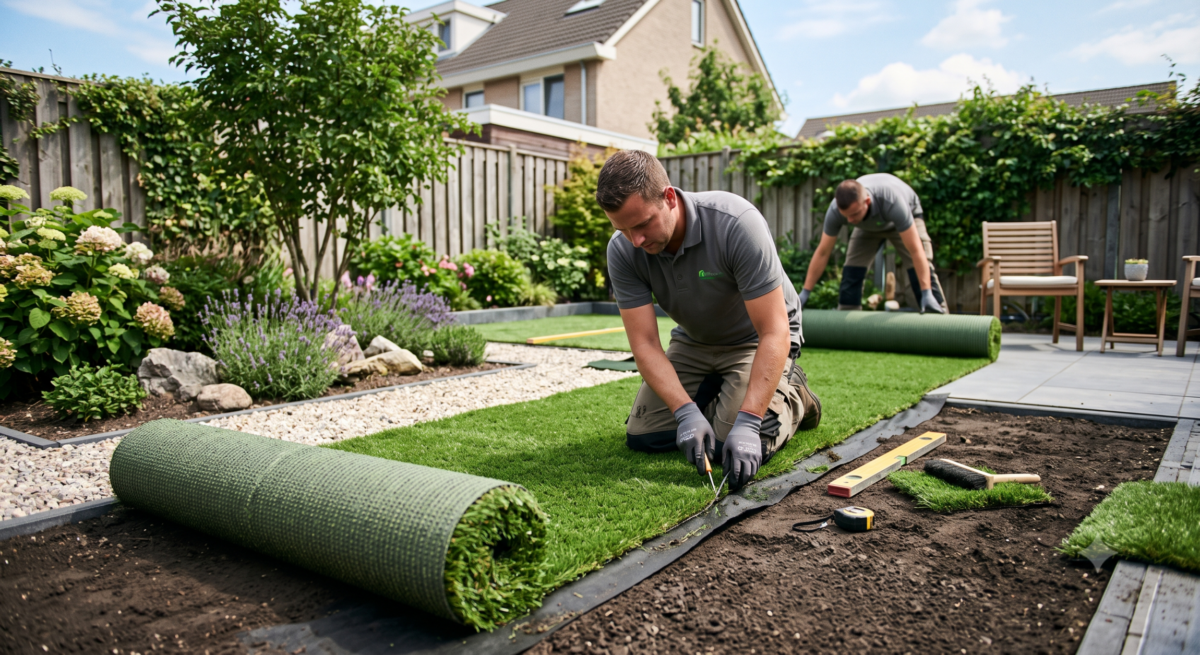
Choosing a maximum pile height for every project is one of the most common budget inflation mistakes. While a 60mm plush turf is necessary for professional football pitches to meet international shock absorption standards, it is completely unnecessary for a backyard landscape or a commercial storefront walkway. For residential areas, patios, or balcony décor, selecting a shorter pile height (between 30mm to 40mm) will instantly lower your initial artificial grass cost while still delivering an incredibly lush, green aesthetic.
Optimize Infill Selection and Aggregate Materials
Infill materials, such as silica sand and crumb rubber, are crucial for keeping turf blades upright and providing essential elasticity. Instead of importing specialized, premium branded infills for simple community projects, sourcing high-quality local silica sand can yield massive savings. Additionally, properly calculating the exact aggregate sub-base volume prevents over-purchasing base stones and crushed gravel, which keeps your material logistics highly cost-efficient and lowers the final installation quote.
Football Pitch Savings (The Strategic Approach)
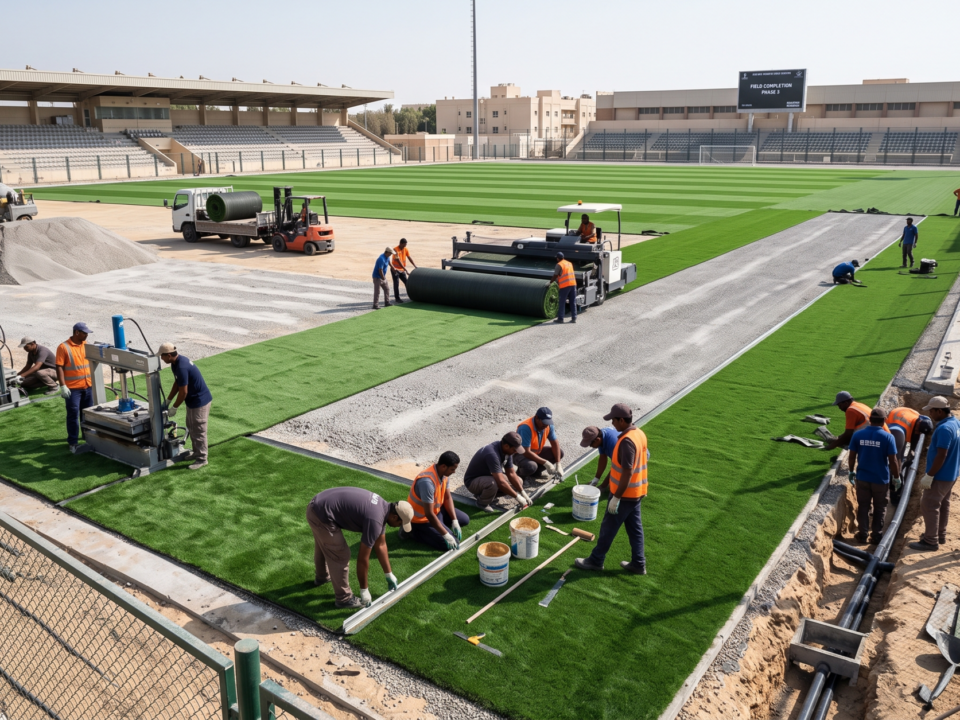
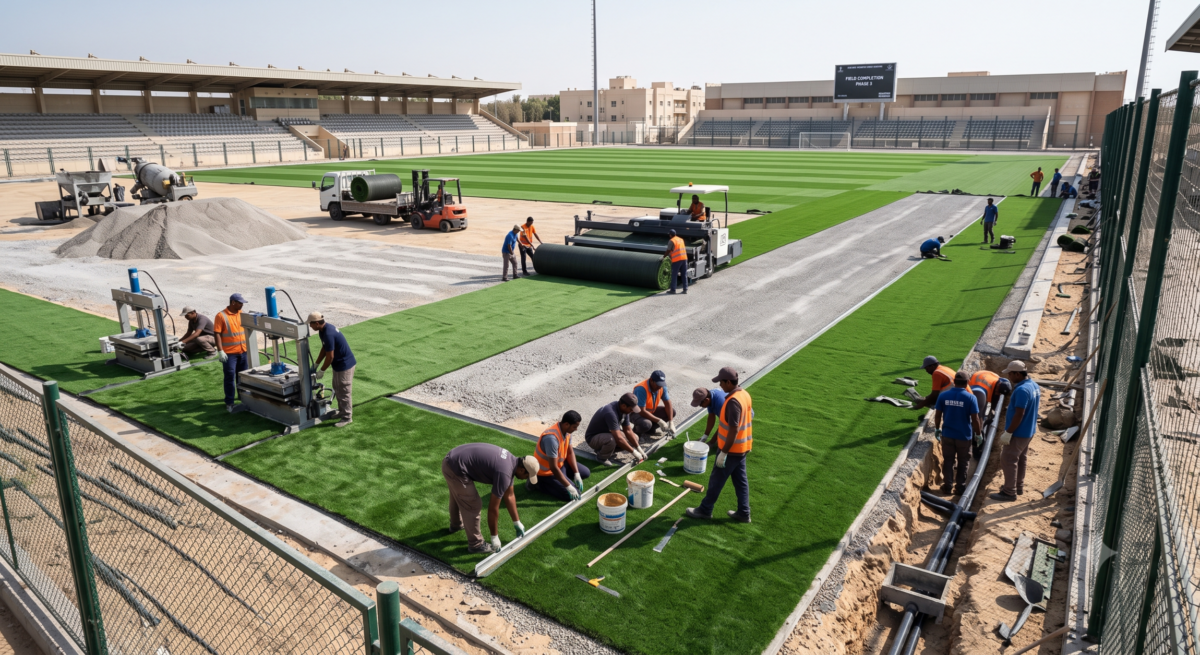
For large-scale soccer fields, the sheer square footage means that minor choices ripple heavily into your ultimate budget. You can easily manage your overall artificial grass cost by utilizing a high-quality monofilament turf without overpaying for hyper-premium backing coatings, provided your sub-base layout features flawless drainage functionality.
Padel and Tennis Court Efficiencies
Padel tennis is currently experiencing an unprecedented global boom, driving high demand for specialized courts. Because padel relies on short, highly dense, textured turf filled exclusively with silica sand, you naturally eliminate the need for expensive rubber crumb infill. Focusing on proper concrete leveling before laying the turf guarantees a perfect bounce while keeping material expenditures and the associated artificial grass cost fully optimized.
Long-Term Maintenance: Keeping Your Lifetime Costs Low
Many property developers focus only on the initial purchase price, forgetting that ongoing maintenance defines the true artificial grass cost over a decade. Fortunately, synthetic surfaces require a fraction of what natural lawns demand. To protect your investment, implement a simple, low-cost maintenance schedule:
- Regular Brushing: Use a synthetic bristle broom to brush the turf fibers against the grain. This simple action keeps the blades standing upright and prevents matting in high-traffic walkways.
- Debris Removal: Keep the surface free of organic matter like leaves, twigs, and seeds. Allowing these materials to decay on the turf can clog the backing’s drainage holes and encourage weed growth.
- Infill Replenishment: Over time, heavy rain or intense play can displace the infill. Periodically topping up and leveling the silica sand or rubber crumbs ensures consistent shock absorption and extends the lifespan of the system, keeping your lifetime artificial grass cost extremely low.
Common Budget Mistakes That Can Ruin Your Landscape Investment
When attempting to minimize your installation budget, certain shortcuts can lead to catastrophic technical failures within the first year of operation. Avoiding these pitfalls is critical to ensuring your artificial grass cost remains a true asset rather than a financial burden:
- Skipping the Weed Barrier Layer: Eliminating a heavy-duty geotextile membrane might save a small amount upfront, but it allows weeds to pierce through your backing, permanently destroying your turf seams.
- Neglecting Sub-Base Compaction: Laying turf directly over loose soil or poorly compacted gravel causes uneven surface depressions, pooling water, and trip hazards for players or family members.
- Using Indoor Carpet Glue for Seams: Specialized, weather-resistant polyurethane turf adhesive is mandatory. Using cheap, standard adhesives will cause the seams to split apart during heavy rains or intense summer heatwaves, leading to expensive repair fees.
Frequently Asked Questions Regarding Synthetic Turf Pricing
Property developers and homeowners consistently raise several practical questions when finalizing their installation budgets and evaluating artificial grass cost options:
Does a lower installation price mean the turf will fade quickly?
Notคู่ ขัดแย้ง (Not necessarily). UV stability depends entirely on the chemical inhibitors added during the yarn extrusion phase, not the height or density of the turf. You can find highly cost-effective, shorter pile turf options that still feature maximum UV protection warranties, ensuring they won’t fade or crack under intense summer sun exposure.
Can I handle the installation myself to save on labor fees?
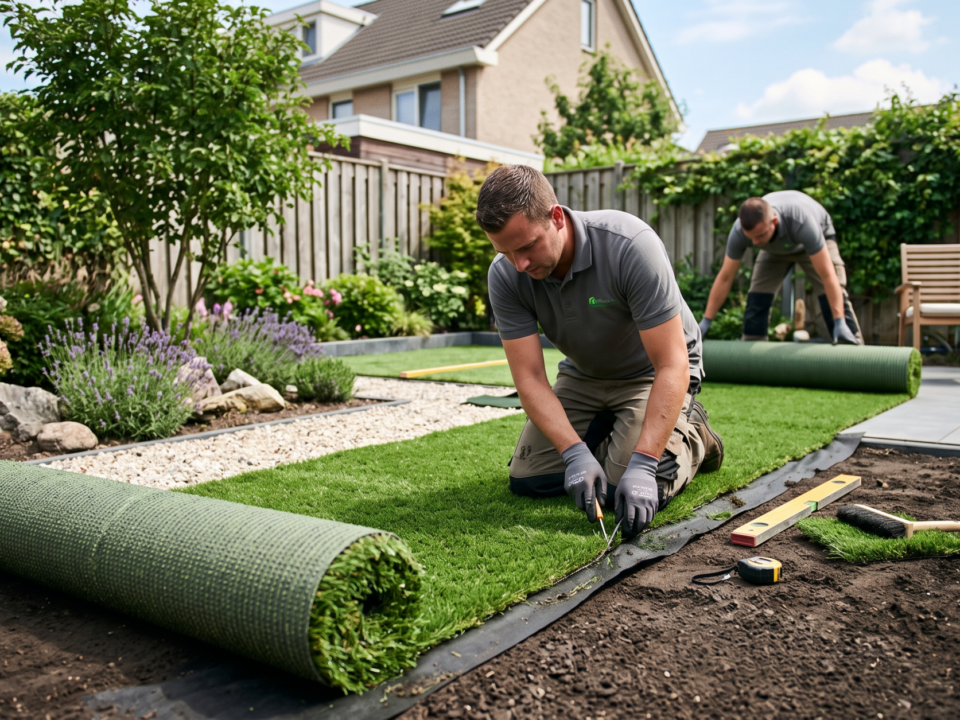
For small, flat residential zones like balconies, patios, or minor backyard landscaping trim, a DIY approach can effectively eliminate labor expenses and cut your upfront artificial grass cost in half. However, for large athletic fields, professional padel setups, or intricate sloped gardens, specialized machinery is required to stretch the turf, cut precise lines, and evenly distribute infills, making professional execution the safer and more durable choice.
Conclusion: Take the Next Smart Step for Your Project
Reducing your total financial outlay does not mean you have to accept a fragile, low-grade product that degrades after a single season. By understanding your actual application needs, choosing the correct pile height, and executing meticulous ground preparation, you can achieve an elite finish that keeps your artificial grass cost comfortably within your target budget.
At Prime Sport, we firmly believe that world-class sports flooring and luxurious landscaping solutions should be accessible through intelligent, transparent engineering. We specialize in supplying internationally compliant materials designed to withstand heavy athletic use and harsh weather conditions, ensuring you get maximum durability for every pound spent.
Don’t let budget uncertainties delay your development plans or lead you toward unreliable, uncertified suppliers who inflate the average artificial grass cost. Explore our comprehensive inventory of premium turf options, padel setups, and athletic court systems today by visiting the Prime Sport Official Platform. Contact our technical support team directly to receive a customized, itemized quote tailored to maximize your savings without ever sacrificing structural quality.