


tartan
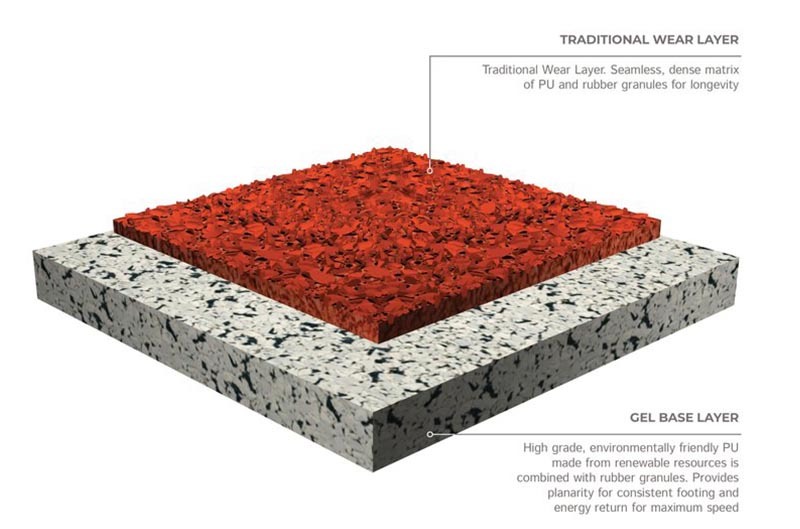
Tartan flooring is a type of rubber flooring made from high-quality raw materials such as natural or synthetic rubber, along with binding agents like polyurethane or polyester. These floors are characterized by their exceptional flexibility, strength, and durability, as well as their resistance to water and friction. These properties make them an ideal choice for various diverse applications.
Types of Tartan Flooring
Tartan flooring is available in different types, determined by the manufacturing method and the materials used. Among its most common types are:
Spray System: A non-water permeable system with a final thickness ranging from 11 mm to 13 mm. A layer of special polyurethane material is applied using a spray machine and diluted with its designated thinner.
Sandwich System (S.W): A non-water permeable system installed using high-quality PU materials from leading companies like Germany’s STOCKMEIER, specializing in industrial and sports flooring. This system is installed on asphalt or cement concrete floors, adhering to the technical specifications of each layer individually.
Mixed System (MW): A non-water permeable system installed with high-quality PU materials from companies like Germany’s STOCKMEIER or DW Global, with a thickness of 11 mm or 13 mm. This system is installed on asphalt or cement concrete floors, taking into account the precise technical specifications of each layer.
Mixed System (MM): A water-permeable system installed with high-quality PU materials from companies like Germany’s STOCKMEIER or DW Global, with a thickness of 13 mm or 15 mm. This system is installed on asphalt or cement concrete floors, adhering to the technical specifications of each layer separately.
Advantages of Tartan Flooring
Tartan flooring offers numerous advantages that make it preferred for many uses:
Flexibility, Strength, and Durability: Tartan flooring boasts very high flexibility, providing comfort when walking or running on it. It is also strong and durable, making it resistant to external impacts such as shocks and vibrations.
Water and Friction Resistance: These floors are characterized by excellent resistance to water and friction, making them suitable for use in wet areas or those requiring high slip resistance to ensure safety.
Easy Maintenance: Tartan flooring is known for its ease of cleaning and maintenance, making it an economical and practical long-term option.
Uses of Tartan Flooring
Tartan flooring is used in a wide range of diverse applications, including:
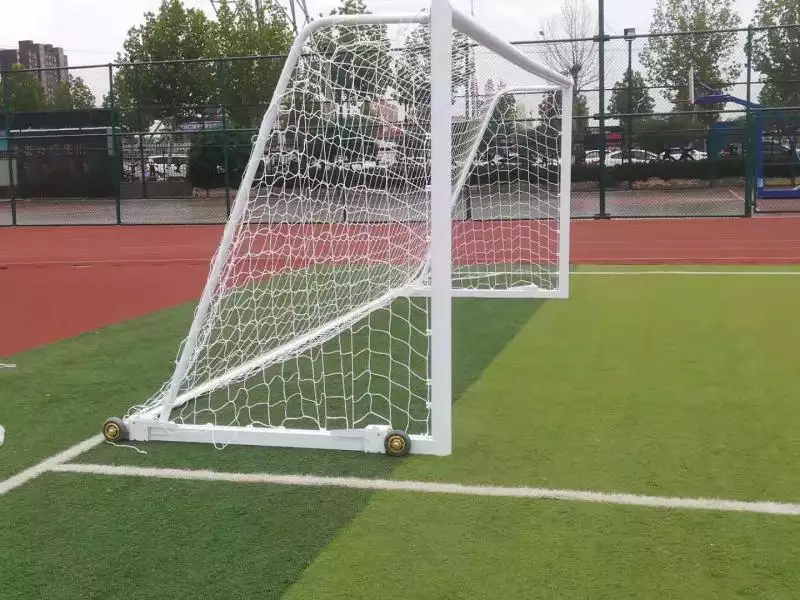
Sports Fields: It is the optimal choice for various sports fields such as football, basketball, volleyball, and tennis courts, providing a safe and high-performance surface.
Running and Racing Tracks: Widely used in running and racing tracks to provide a flexible and comfortable surface for runners, reducing stress on joints.
Children’s Play Areas: It is ideal for children’s play areas, offering a safe and eco-friendly surface that minimizes the risk of injuries.
Hallways and Entrances: Used in hallways and entrances, where it provides an attractive and easy-to-clean surface, in addition to its resistance to external factors.
In summary, tartan flooring is a distinguished type of rubber flooring that combines flexibility, strength, durability, and resistance to water and friction. Thanks to its various types and wide applications, it serves as an effective and practical solution for many different needs.