

Imagine transforming your villa rooftop into a lush, green sanctuary in Cairo. Alternatively, think about investing in a commercial football or padel court in Egypt. The very first question that comes to mind is simple. How do you guarantee a green surface that lasts for years? You need something that withstands the harsh summer sun without fading. This is exactly where searching for the Best Types of Artificial Grass becomes essential for any property owner.
Navigating the local market can be overwhelming due to countless imported products. Choosing the wrong turf means wasting your budget on synthetic fibers that mat quickly. This comprehensive guide will take you through a realistic journey. You will learn the exact technical and aesthetic standards required to make an informed decision. Let us dive into how you can choose premium turf with complete confidence.
Why Should You Invest in the Best Types of Artificial Grass in Egypt?
The climate in Egypt features extreme summer heat and prolonged dry spells. Maintaining natural lawn grass in this environment is an expensive, uphill battle. It demands massive amounts of water, continuous mowing, and constant pest control. These recurring expenses heavily drain the budgets of residential villa owners and sports club investors.
Conversely, premium synthetic turf delivers a flawless green look all year round. It requires absolutely zero watering or heavy manual maintenance. Furthermore, it boasts exceptional durability under heavy foot traffic. It performs beautifully in Egyptian villa gardens, commercial cafes, and busy sports complexes. However, achieving these long-term benefits depends entirely on your initial choice. You must invest in the Best Types of Artificial Grass specifically engineered to resist high UV radiation.
What Specifications Define the Best Types of Artificial Grass Prices?
This is one of the most frequent questions searched online by Egyptian consumers. The technical reality is that synthetic turf pricing is never a fixed, arbitrary number. Instead, the cost is calculated based on precise technical specifications. These specific metrics separate cheap, low-grade alternatives from the premium options built for heavy-duty use.
Key Technical Factors Determining Turf Quality:
- Pile Height: This metric measures the length of the synthetic blades in millimeters. Common heights range from 10mm for sports to 50mm for landscaping. Longer, denser blades naturally increase the price because they require more raw materials.
- Stitch Rate and Density: This refers to the number of turf stitches per square meter. Closer, tightly packed stitches create a thicker, more resilient mat. Dense turf prevents the blades from flattening over time.
- Dtex Rating: This measures the actual weight and thickness of the synthetic yarn used. Premium variations utilize high-Dtex polyethylene or polypropylene fibers. These materials are heavily treated to resist extreme heat.
- Backing Quality: High-tier turf features multi-layered, polyurethane-coated backing. This sturdy foundation secures the tufts firmly, preventing bald spots.
If you want to view real-world examples of high-performance sports and landscaping turf, explore the premium collections available at the Prime Sport E-Commerce Platform. Discover how elite projects are built using certified, international-grade materials.
Which Are the Best Types of Artificial Grass for Sports Pitches?
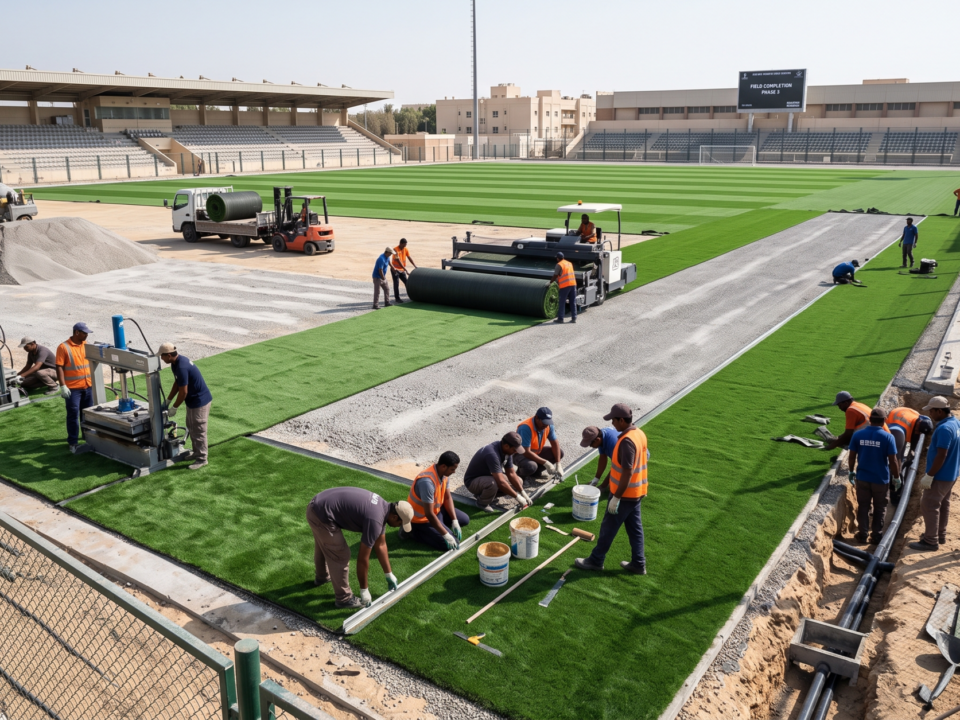
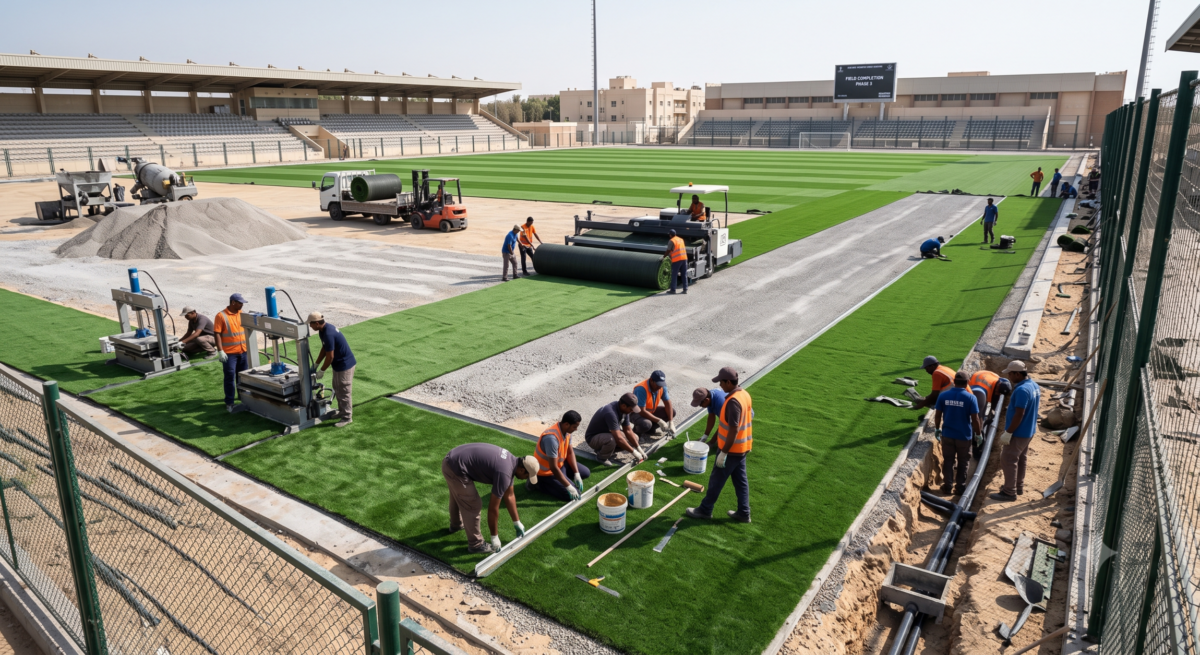
Setting up a professional sports pitch requires strict adherence to international safety standards. Whether it is an Egyptian football stadium or a modern padel tennis court, ordinary turf will not suffice. The surface must protect players from joint injuries while ensuring natural ball bounce and roll. Sports turf is generally divided into two main categories:
Football Pitch Turf (50mm Pile Height)
This variation features long, robust synthetic blades designed for intense athletic traction. It ranks highly among the Best Types of Artificial Grass for open-air stadiums. Installers infill this turf with precise layers of silica sand and performance rubber granules. This specialized infill mimics natural soil flexibility, absorbing shock effectively during sprints and heavy falls.
Padel and Tennis Court Turf (12mm to 15mm Pile Height)
Padel tennis is currently experiencing a massive investment boom across Egypt. These specific courts require short, ultra-dense fibers, typically monofilament or fibrillated structures. The system is filled exclusively with specialized silica sand. This setup facilitates rapid lateral player movements and ensures highly predictable ball rebounds. Selecting the Best Types of Artificial Grass here is the ultimate key to attracting players to your sports club.
How to Select the Best Types of Artificial Grass for Luxury Home Landscaping?
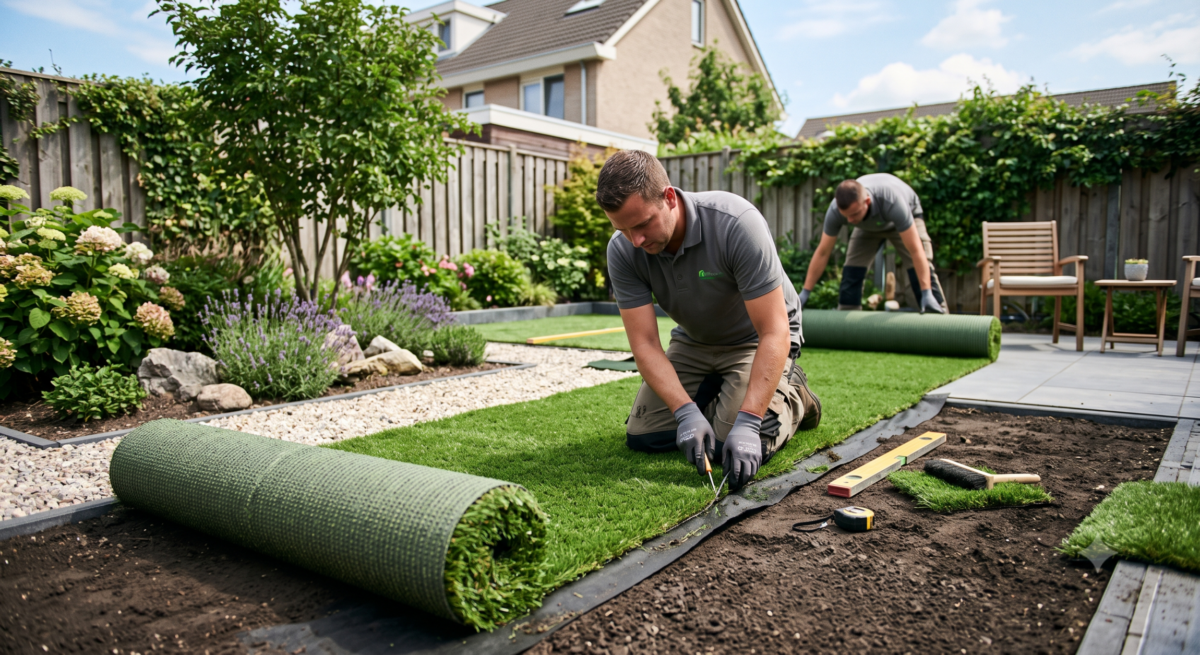
When picking synthetic turf for villa gardens, courtyards, or rooftops in Egypt, the priorities shift. Shock absorption takes a backseat to luxury aesthetics and a soft feel. The surface must be comfortable for children, pets, and barefoot walking.
Essential Tips for Choosing Landscape Turf:
- Opt for Balanced Heights: Blade heights between 30mm and 40mm represent the Best Types of Artificial Grass for residential use. They offer a rich, natural look without requiring messy sand infills.
- Look for Multi-Color Blends: Premium residential turf incorporates a mix of field green, lime green, and olive green blades. It even features a subtle tan thatch layer underneath. This clever design replicates dried summer thatch, making it look 100% authentic.
- Verify Drainage Efficiency: Premium turf backing must include evenly spaced drainage holes. Fast drainage allows rainwater or cleaning water to pass through effortlessly, preventing stagnant puddles and unpleasant odors.
To better understand the chemical evolution of the polymer materials used in synthetic yarn manufacturing, read the detailed article regarding Artificial Turf on Wikipedia. Learn more about its structural safety and environmental durability.
What is the Correct Installation Guide for the Best Types of Artificial Grass?
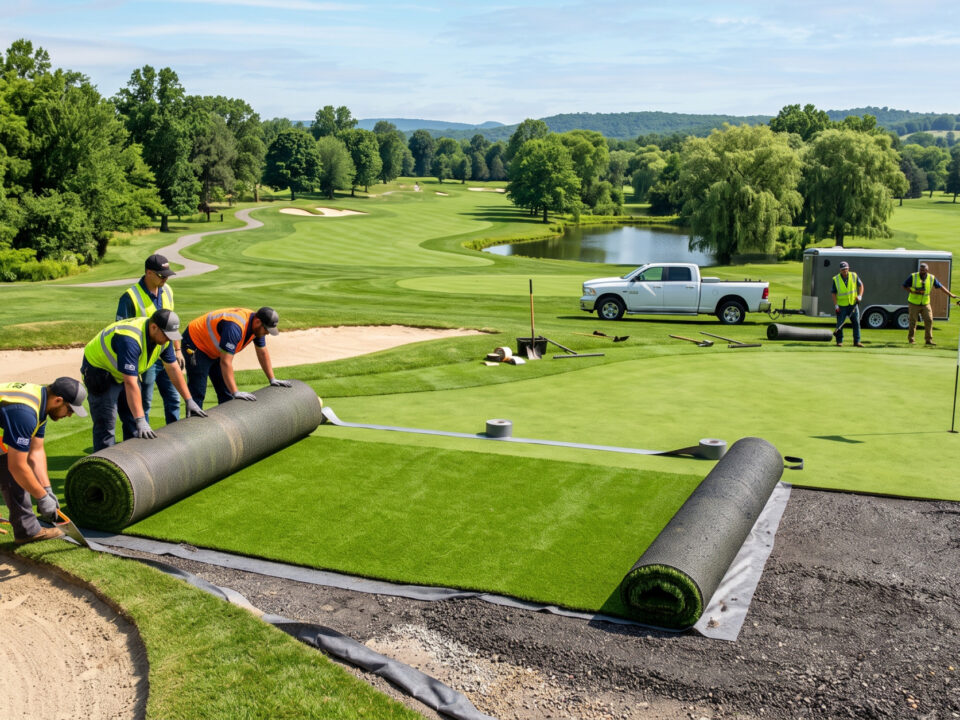
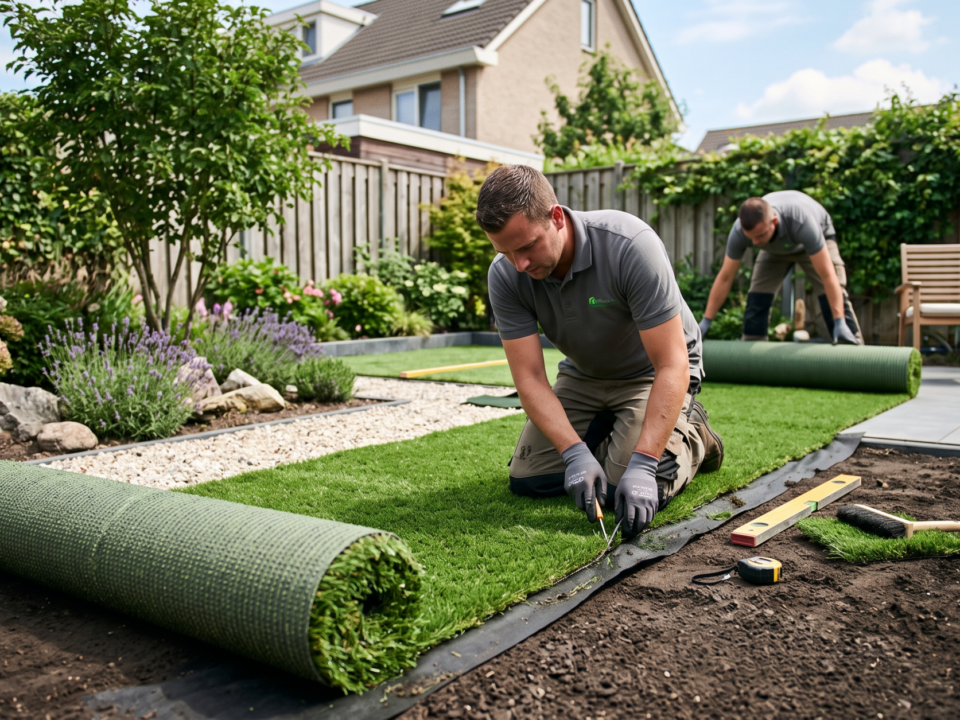
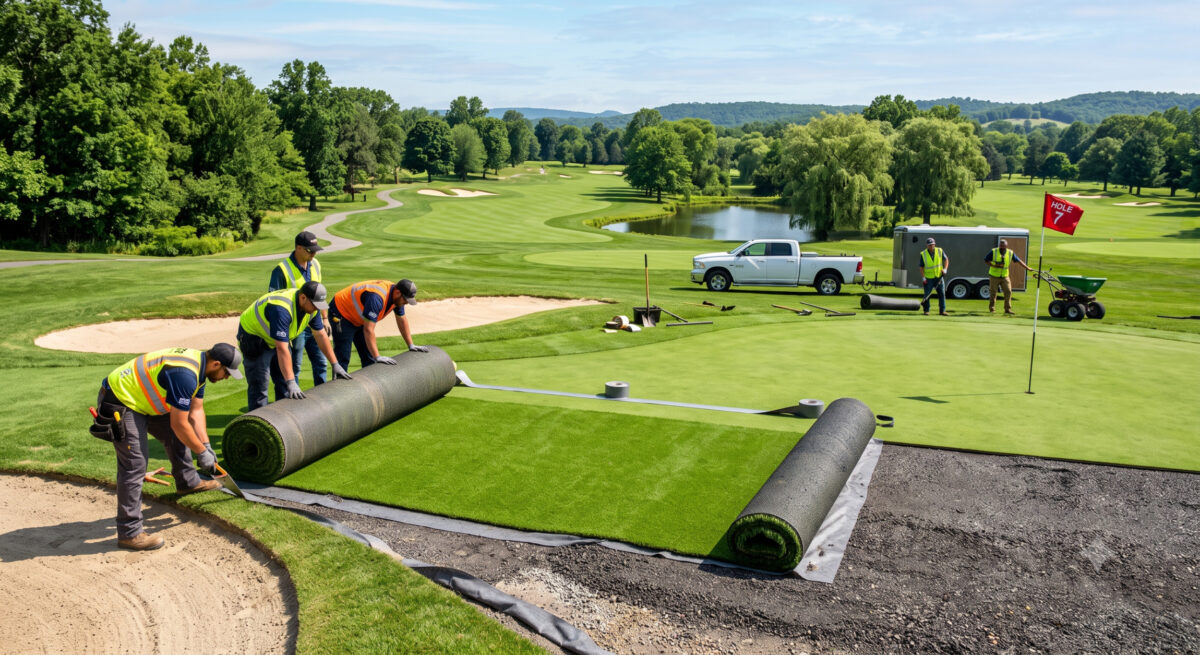
An exceptional product will fail to deliver if the installation process is flawed. Poor installation leads to visible seams, shifting mats, and uneven surfaces. Professional installation requires a systematic, engineered approach:
- Ground Clearing and Compaction: Remove all existing weeds, roots, and loose rocks. Treat the soil with a heavy-duty weed barrier to prevent future unwanted growth beneath your synthetic lawn.
- Base Subgrade Preparation: Lay down a crushed aggregate base, such as decomposed granite or fine gravel. Wet and compact this layer thoroughly using a heavy mechanical vibrator plate to build a perfectly level, solid foundation.
- Rolling Out and Aligning the Turf: Unroll the turf sheets carefully across the prepared base. The ultimate industry secret to implementing the Best Types of Artificial Grass is ensuring all sheets face the exact same blade direction. Misaligned rolls create a clashing, unnatural two-tone appearance.
- Seaming and Securing: Trim the rough edges cleanly with a specialized turf knife. Place high-tensile joint tape between the seams and apply commercial-grade polyurethane adhesive. Secure the outer perimeters tightly using non-corrosive landscape staples or specialized turf nails.
Your First Step Toward a Sustainable Green Space
Investing in the Best Types of Artificial Grass is a long-term commitment to the value of your property. It enhances the visual appeal of your home and guarantees a solid return on any commercial sports project. Partnering with a trusted supplier ensures you receive genuine warranties alongside certified installation crews.
At Prime Sport, we pride ourselves on being premier contractors for certified sports pitches and luxury residential landscaping across the Egyptian market. We deliver elite, weather-resistant materials backed by robust structural guarantees. Browse the Prime Sport online store today to explore our exclusive products. Contact our engineering team now to book a site inspection and bring your green vision to life!